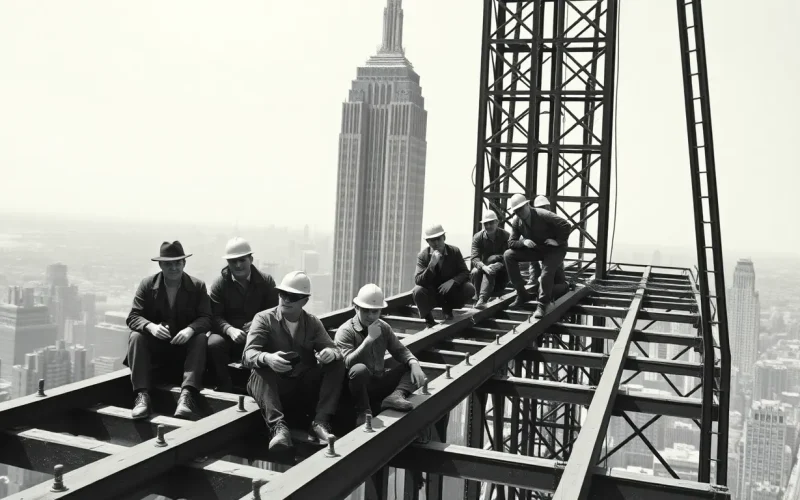
The Empire State Building stands tall as a symbol of ambition and innovation, but beneath its iconic façade lies a sobering truth. During its construction in the early 1930s, the project claimed the lives of several workers, a grim reminder of the price paid for progress. While the building now attracts millions of tourists, it’s essential to remember the human stories that shaped its creation.
As we delve into the history of this architectural marvel, we’ll uncover the challenges and dangers faced by those who built it. From daring heights to the harsh realities of construction work, the Empire State Building’s legacy is as much about resilience as it is about grandeur. So buckle up as we explore the highs and lows—literally—of one of New York City’s most beloved landmarks.
Overview of the Empire State Building
Constructed between 1930 and 1931, the Empire State Building stands at 1,454 feet including its antenna. This New York City landmark features 102 stories, showcasing Art Deco architectural style. The building’s completion marked it as the tallest skyscraper in the world for nearly 40 years.
Workers faced significant challenges during construction. Safety measures were minimal, leading to numerous accidents and fatalities. Approximately 5 workers died during the assembly of the building, which accounted for a small fraction of the workforce involved in the project. It’s essential to remember the human stories tied to these numbers, emphasizing the sacrifices made.
Architect William F. Lamb designed the structure, while the firm Shreve, Lamb & Harmon oversaw the project. The construction utilized innovative techniques, such as prefabricated steel parts, which sped up the process. This efficiency helped secure its record-setting timeline, with completion achieved in just over a year.
Developers intended the building to symbolize hope and resilience during the Great Depression. Its height and design reflect optimism and ambition, even amidst economic challenges. Recognizing the context in which it was built provides deeper appreciation for both the Empire State Building and the lives affected during its creation.
Today, the Empire State Building remains an iconic part of New York’s skyline. Millions visit each year to take in the views from its observatories. The legacy of its construction continues to influence discussions on worker safety and labor rights in the construction industry.
Historical Context of Construction
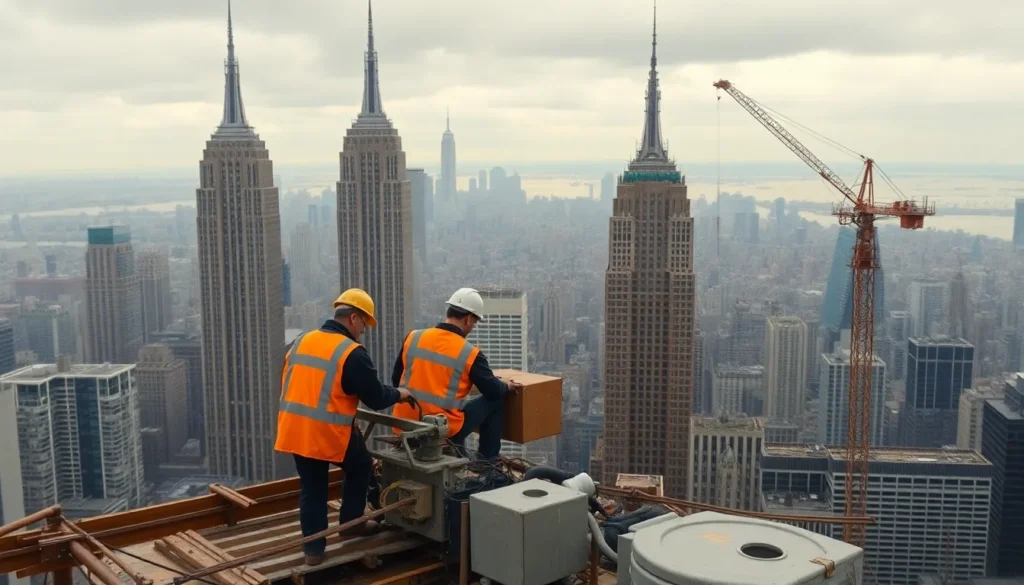
The construction of the Empire State Building took place during a tumultuous period marked by economic hardship. This context significantly affected the labor force and overall construction practices.
The Great Depression Era
The Great Depression, which began in 1929, devastated the economy, leading to skyrocketing unemployment. Workers sought jobs in any available sector, including construction. With little regard for safety measures, companies prioritized completion over welfare. Employers faced pressure to finish projects quickly to stimulate the economy. Despite limited resources, many laborers undertook grueling tasks, often under harsh conditions. Approximately five fatalities occurred during the Empire State Building’s construction, highlighting the risks involved during this challenging era.
Need for Skyscrapers
The need for skyscrapers arose from urbanization and population growth in cities. As New York’s population expanded, building vertically became essential. Skyscrapers maximized limited land space, accommodating more businesses and residents. During the early 1930s, the demand for office space intensified, making tall structures necessary for economic recovery. The Empire State Building emerged as a response to this challenge, symbolizing ambition and progress. Its design encapsulated the desire for vertical expansion, addressing both practical and aspirational needs in a rapidly changing urban landscape.
Construction Details
Construction of the Empire State Building unfolded rapidly, characterized by significant milestones and challenges.
Timeline of Construction
Groundbreaking commenced in March 1930. By May of that year, the steel framework started rising, showcasing remarkable efficiency. Completion occurred in April 1931, with the building captivating onlookers as it reached a height of 1,454 feet. The project extended over just 13 months, which remains a notable achievement in construction history. Rapid progress emerged due to the innovative use of prefabricated steel parts and the dedication of the workers.
Workforce and Labor Conditions
Workers faced difficult conditions throughout the construction. Safety measures were sparse, which led to precarious work environments. Approximately 3,400 laborers contributed to the project, navigating between steel beams without harnesses or protective gear. Significant pressure from management emphasized speed over safety, leaving many laborers vulnerable while striving to achieve ambitious timelines. Despite these dangers, the workforce persevered, forging an indelible mark on the building’s legacy.
Safety Measures Implemented
The construction of the Empire State Building prompted significant advancements in safety measures. These innovations arose from the need to protect workers in high-risk environments.
Innovations in Construction Safety
Prefabricated steel parts contributed to improved safety by standardizing the construction process. Safety nets became a common feature, effectively reducing falls from height. Protective helmets and harnesses gained acceptance, reflecting a shift towards prioritizing worker safety. Additionally, regular safety drills ensured that laborers understood emergency protocols. Enhanced communication tools facilitated clearer instructions, which helped prevent accidents on the site.
Regulations and Oversight
Heightened regulations emerged to protect construction workers during iconic projects like the Empire State Building. New York City’s building codes underwent revisions that incorporated stricter guidelines on safety practices. Inspectors conducted frequent assessments to ensure compliance with safety standards. Labor unions advocated for better working conditions, compelling construction companies to adopt more rigorous safety measures. These efforts aimed to mitigate risks associated with high-rise construction and improve overall workplace safety.
Casualty Statistics
The construction of the Empire State Building resulted in the loss of several lives, emphasizing the risks faced by laborers during this era. Approximately five fatalities occurred during the rapid construction period from 1930 to 1931, revealing the dangers inherent in high-rise building projects.
Number of Deaths Recorded
Records indicate that construction fatalities numbered around five. Those deaths occurred despite the workforce size of about 3,400 laborers. Safety procedures were minimal at the time, contributing to these unfortunate incidents. Each loss represented a significant personal tragedy, often impacting families for generations. As work progressed, recognizing these fatalities became essential for understanding the construction environment.
Analysis of Causes of Deaths
Common causes of death included falls from heights and accidents involving heavy machinery. The absence of safety measures like harnesses and safety nets exacerbated these risks. Workers often faced pressure to meet tight deadlines, leading to hurried operations and increased dangers. In many cases, inadequate training contributed to accidents, as laborers navigated complex work conditions. Today’s safety regulations stem from lessons learned during projects like this, highlighting the importance of prioritizing worker safety.
Impact on Future Construction Practices
Safety lessons from the Empire State Building’s construction had a profound effect on future building practices. The five fatalities during the project highlighted the urgent need for improved worker protections. Labor unions emerged as advocates for safer conditions, demanding that employers take responsibility for their workers.
Policies evolved in response to these tragic losses. Requirements for safety nets and harnesses became standard, significantly reducing the risk of falls. Each adopted measure reflected a cultural shift toward valuing human life over speed. Enhanced training protocols also played a role in increasing awareness of potential dangers on construction sites.
Regulatory changes occurred at various levels of government. New York City’s building codes underwent revisions, setting stricter guidelines for safety practices. Regular inspections gained importance, ensuring compliance with these updated regulations.
From the Empire State Building’s experience, future construction projects saw comprehensive safety plans take precedence. Daily safety drills became routine, fostering an environment that prioritized prevention. Innovations such as advanced communication tools established clear channels for reporting hazards on site, minimizing the chances of accidents.
This tragic history reinforced the crucial lesson that worker safety cannot be overlooked. Construction firms began implementing more robust safety programs, recognizing the positive impact on both workers and project timelines. Each advancement made since the 1930s continues to shape modern construction, reminding the industry of the past’s valuable insights.
The Empire State Building stands tall as a testament to human ambition and resilience. Yet its construction serves as a poignant reminder of the sacrifices made by workers during a challenging era. The five lives lost during its rapid ascent highlight the importance of prioritizing safety in construction.
Lessons learned from this period have shaped modern practices, ensuring that worker safety remains a fundamental concern. As the Empire State Building continues to inspire millions, its legacy prompts ongoing discussions about labor rights and the need for stringent safety measures. Remembering the past not only honors those who contributed to this iconic structure but also reinforces the commitment to safeguarding future generations of workers in the construction industry.