Table of Contents
ToggleSetting up a home security system used to mean running cables through walls, hiring an electrician, and hoping you didn’t drill into a stud the wrong way. The Blink Outdoor Camera System changed that equation. It’s a wire-free, battery-powered security camera designed for homeowners who want solid surveillance without the hassle of professional installation or monthly monitoring fees. Whether you’re protecting a front porch, monitoring a backyard shed, or keeping an eye on package deliveries, Blink Outdoor offers a practical entry point into DIY home security that doesn’t require a permit, a ladder full of tools, or a weekend of your time.
Key Takeaways
- The Blink Outdoor Camera System offers wire-free, battery-powered home security with up to two years of battery life on standard lithium AAs, eliminating the need for professional installation or monthly monitoring fees.
- Installation is straightforward and takes about 15 minutes per camera using just a drill, screwdriver, and pencil—no electrician or complex setup required.
- The Blink Outdoor system captures 1080p HD video with infrared night vision effective to 20 feet and delivers motion-triggered alerts to your smartphone without requiring a paid subscription when used with the Sync Module 2.
- Local video storage via USB drive with the Sync Module 2 eliminates cloud subscription costs, making Blink Outdoor an affordable long-term home security solution.
- Blink Outdoor’s IP65 weather rating and matte plastic housing handle typical outdoor conditions but are not recommended for high-vandalism areas or extreme environments.
- Best suited for homeowners, renters, and first-time security buyers seeking budget-friendly perimeter monitoring without cable runs; less ideal for users requiring real-time alerts, 4K resolution, or non-Amazon ecosystem compatibility.
What Is the Blink Outdoor Camera System?
Blink Outdoor is a wireless security camera made by Amazon-owned Blink. It’s designed for exterior use with a focus on simplicity: no wiring, no complicated network setup, and no subscription required for basic functionality. The system uses Wi-Fi connectivity and runs on two AA lithium batteries that can last up to two years under typical use (Amazon’s estimate assumes moderate motion detection, your mileage will vary based on activity levels and temperature).
The camera captures 1080p HD video with infrared night vision and sends motion-triggered alerts to your smartphone via the Blink Home Monitor app. You can view live footage, review clips, and customize detection zones without paying for cloud storage if you add the Sync Module 2, which includes local storage via USB drive.
It’s worth noting that Blink competes in the budget tier of outdoor cameras. You’re not getting 4K resolution or advanced AI object recognition here. What you are getting is a dependable, weather-resistant camera that mounts in minutes and doesn’t require an electrician or a monthly subscription to function. For DIYers who want security coverage without the complexity of wired systems like Ring Floodlight Cam or Arlo Pro, Blink Outdoor hits a sweet spot.
Key Features That Make Blink Outdoor Cameras Stand Out
Wire-Free Installation and Battery Life
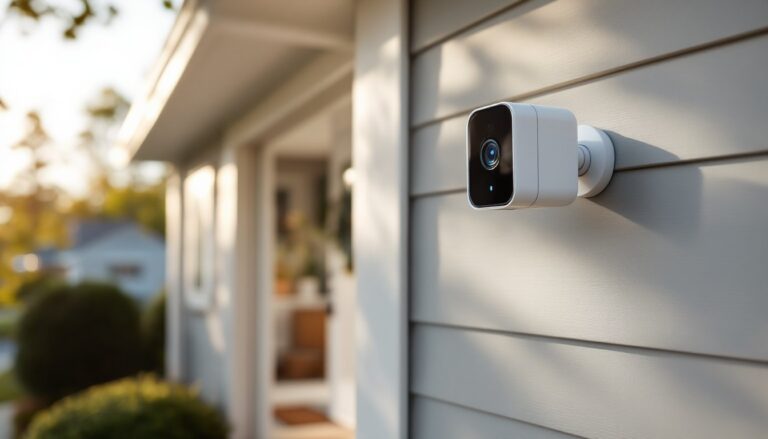
The standout feature is the wire-free design. There’s no need to fish cables through exterior walls, tap into existing electrical circuits, or mount junction boxes. The camera mounts with two screws and a bracket, or you can use the included mount and adhesive backing if you’re renting or don’t want to drill into siding.
Blink claims up to two years of battery life on two AA lithium batteries (not included with all bundles, so check before you buy). In real-world testing, that estimate holds true if you’re getting fewer than 10 motion events per day and temperatures stay above freezing. Cold weather degrades lithium battery performance, so expect shorter runtime if the camera is mounted in an unheated area during winter. Rechargeable AA batteries work but reduce longevity, lithium is the smarter choice here.
The Sync Module 2 acts as the hub for up to 10 cameras and enables local video storage on a USB drive (up to 256GB, not included). This is a major cost-saver if you want to avoid Blink’s optional subscription plan, which runs around $3/month per camera or $10/month for unlimited cameras.
Weather Resistance and Outdoor Durability
Blink Outdoor carries an IP65 rating, meaning it’s dust-tight and protected against water jets from any direction. Translation: it’ll handle rain, snow, and sprinkler overspray without issue. It won’t survive submersion (don’t mount it in a pond), but it’s built for typical outdoor conditions.
The operating temperature range is -4°F to 113°F (-20°C to 45°C). That covers most of the continental U.S., though extreme heat or cold can affect battery performance and plastic housing integrity over time. Mount the camera under an eave or soffit if possible to extend its lifespan and keep the lens clear of direct precipitation.
The housing is matte plastic, not metal, which keeps weight and cost down but won’t win any durability awards compared to commercial-grade surveillance equipment reviewed by experts. It’s tough enough for residential use, but if you’re in an area prone to vandalism or high winds, consider placing it out of easy reach.
Installing Your Blink Outdoor Camera: A DIY Step-by-Step Guide
Installation takes about 15 minutes per camera once you’ve set up the Sync Module. Here’s the process:
Tools and Materials:
- Drill with 3/16″ bit (for masonry or wood)
- Phillips-head screwdriver
- Level (optional but recommended)
- Pencil
- Two AA lithium batteries per camera
- Blink Outdoor camera and mounting bracket
- Sync Module 2 (plugged into router via Ethernet)
Step-by-Step:
-
Set up the Sync Module. Plug the Sync Module into an outlet near your router and connect it via Ethernet cable. Download the Blink Home Monitor app (iOS/Android) and follow the in-app prompts to add the module to your account. You’ll need your Wi-Fi network name and password.
-
Add the camera in the app. Once the Sync Module is online, tap “Add Device” and select Blink Outdoor. The app will walk you through scanning the QR code on the back of the camera and syncing it to the module. Install the batteries before this step.
-
Choose your mounting location. Aim for 7-9 feet off the ground with a clear view of the area you want to monitor. Avoid direct sunlight on the lens (causes glare and overheating) and make sure the camera is within 100 feet of the Sync Module for reliable Wi-Fi signal. Exterior walls, soffits, and porch columns are common spots.
-
Mount the bracket. Hold the bracket against the wall, use a level to ensure it’s straight, and mark the screw holes with a pencil. Drill pilot holes (3/16″ bit for wood siding: use a masonry bit and anchors for brick or stucco). Drive the screws until snug, don’t overtighten or you’ll crack the bracket.
-
Attach the camera. Snap the camera onto the bracket. It locks in place with a satisfying click. Adjust the angle using the ball joint, you’ll likely need to tweak this after checking the live view in the app.
-
Set motion detection zones. Open the app, go to camera settings, and define which areas should trigger recording. This reduces false alerts from passing cars, tree branches, or neighbors walking by.
Safety note: If you’re mounting above the second story or on a steep-pitch roof, use a harness or hire a professional. Ladders on uneven ground are a leading cause of DIY injuries.
Performance and Video Quality in Real-World Conditions
Blink Outdoor records at 1080p resolution with a 110-degree field of view. Daytime footage is clear enough to identify faces within 20 feet and read license plates within 10-15 feet under good lighting. Night vision uses infrared LEDs effective to about 20 feet, sufficient for a driveway or front walkway, but don’t expect to monitor a large backyard.
Motion detection is PIR-based (passive infrared), meaning it triggers on heat signatures rather than pixel changes. This reduces false alerts from shadows or swaying branches, but it can miss slow-moving subjects or activity beyond 20-25 feet. You can adjust sensitivity in the app, though cranking it up increases battery drain.
Video lag is noticeable. From motion event to notification on your phone typically takes 5-10 seconds, and live view can take another 5-10 seconds to load depending on your network speed. This isn’t a camera for real-time interaction, think of it as a recording device that lets you review what happened, not a two-way intercom for greeting delivery drivers.
The built-in two-way audio works but isn’t impressive. The speaker is quiet and the microphone picks up wind noise. Many platforms covering smart home tech trends note that audio quality is a common compromise in budget camera systems.
Cloud vs. local storage: Without a subscription, you get live view and two-way talk, but no cloud clip storage. The Sync Module 2 with a USB drive solves this, clips save locally and you can download them via the app. Clips are limited to 60 seconds by default (adjustable to 5-60 seconds), which can be frustrating if you want to capture a full event.
Pros and Cons: Is Blink Outdoor Right for Your Home?
Pros:
- No wiring required. Installation is as simple as mounting a mailbox. No electrical permits, no fishing wires through walls.
- Long battery life. Two years on lithium AAs is realistic for moderate use, significantly reducing maintenance compared to rechargeable models.
- No mandatory subscription. Local storage via USB keeps ongoing costs near zero.
- Works with Alexa. Voice commands and integration with Echo Show devices add convenience for existing Amazon ecosystem users.
- Affordable. Single-camera kits start around $50-$60: multi-camera bundles offer better per-unit pricing.
Cons:
- 1080p only. Competitors like Arlo and Eufy offer 2K or 4K at similar price points now. Resolution is adequate but not cutting-edge.
- Slow notification speed. The 10-15 second delay means you’re reviewing events after the fact, not catching them live.
- Limited night vision range. 20 feet is fine for porches but insufficient for large yards or driveways.
- Plastic construction. The housing feels budget-grade. It’ll survive weather, but don’t expect the ruggedness of metal-bodied cameras.
- Subscription upsell. While not required, Blink pushes its subscription plan hard in the app. Features like person detection and extended clip length are paywalled.
Who should buy Blink Outdoor?
Homeowners who want basic perimeter monitoring without running cables or paying monthly fees. It’s ideal for renters (no permanent wiring), vacation homes (long battery life = less maintenance), and anyone dipping their toes into home security for the first time.
Who should skip it?
If you need real-time alerts, high-resolution footage for evidence, or cameras that integrate with non-Amazon smart home platforms, look elsewhere. Platforms like CNET regularly compare Blink against competitors with more robust features. Blink trades advanced specs for ease of use and low cost, know which matters more for your situation before you buy.