Table of Contents
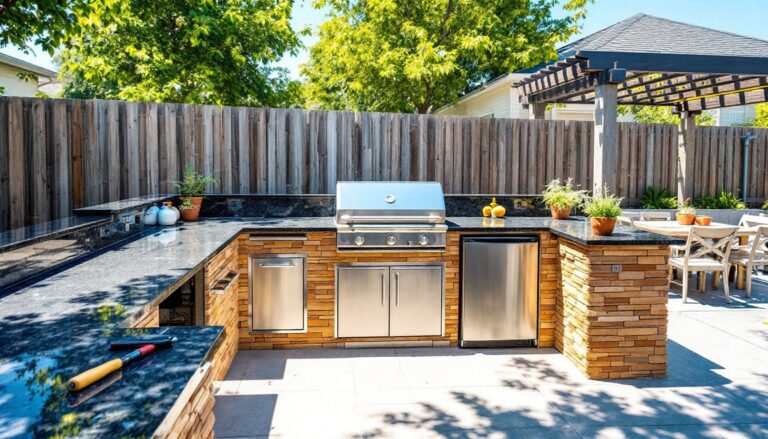
ToggleBuilding an outdoor kitchen transforms a backyard into a functional cooking and entertaining space, but it won’t reach its full potential without reliable running water. Whether someone’s rinsing vegetables, filling pots, or cleaning up after a cookout, a proper outdoor kitchen faucet makes the difference between a fully equipped setup and a glorified grill station. Unlike standard garden spigots, outdoor kitchen faucets are designed for food prep, dishwashing, and the kind of daily use that demands durability against the elements. This guide covers everything a homeowner needs to know, from choosing the right style to getting it installed and keeping it running year after year.
Key Takeaways
- An outdoor kitchen faucet differs from standard garden spigots by offering full swivel spouts, adjustable flow rates, and durability designed for food prep, dishwashing, and daily use.
- Choose between deck-mounted faucets (for integrated looks with accessible plumbing) or wall-mounted faucets (for tight countertop spaces and pre-roughed exterior walls), both requiring proper mixing valves for hot and cold water.
- Prioritize 304 or 316 stainless steel construction with ceramic disc valves rated for at least 500,000 cycles, thermostatic mixing valves, and spout heights of 10–14 inches to handle large cookware effectively.
- Installation requires local plumbing permits, backflow prevention compliance with the International Plumbing Code (IPC), and weather-appropriate supply lines like PEX or copper—never use indoor-only flexible hose.
- Winterize your outdoor kitchen faucet before freezing temperatures by shutting off the main valve, draining residual water, and disconnecting supply lines; annually clean aerators, lubricate valves, and test backflow preventers to ensure years of reliable service.
Why Your Outdoor Kitchen Needs a Dedicated Faucet
A standard hose bib doesn’t cut it when there’s actual cooking happening outdoors. Dedicated outdoor kitchen faucets offer full swivel spouts, adjustable flow rates, and ergonomic handles that make food prep practical. They’re built to withstand UV exposure, temperature swings, and moisture without corroding or seizing up mid-season.
Most outdoor faucets rated for kitchen use feature 316 stainless steel or brass construction with corrosion-resistant finishes. These materials resist rust far better than the zinc-alloy components found in cheaper garden fixtures. When someone’s washing greens or filling a stockpot, they need consistent water pressure and a spout height that clears large cookware, typically 8 to 12 inches of clearance.
Beyond convenience, local building codes in many jurisdictions require backflow prevention devices on outdoor water fixtures to protect potable water supplies. A proper outdoor kitchen faucet often integrates or accommodates vacuum breakers or backflow preventers, ensuring compliance with the International Plumbing Code (IPC) and keeping the water supply safe.
Types of Outdoor Kitchen Faucets
Outdoor kitchen faucets come in two primary mounting configurations, each with distinct advantages depending on countertop layout and plumbing access.
Wall-Mounted vs. Deck-Mounted Faucets
Deck-mounted faucets install directly through the countertop or sink deck, just like an indoor kitchen fixture. They require a 1 to 1.5-inch diameter hole drilled through the surface, with supply lines running underneath. This style works well when the outdoor kitchen island or cabinet has accessible plumbing below and provides a clean, integrated look. Deck-mounted models typically offer pull-down or pull-out spray heads, making them versatile for rinsing and filling tasks.
Wall-mounted faucets attach to an exterior wall or backsplash, with the spout extending over the sink or prep area. They’re ideal when countertop space is tight or when plumbing is already roughed into an exterior wall. Wall-mounted units often feature a commercial-style swing spout with 12 to 18 inches of reach, giving plenty of clearance for large pots. They also simplify countertop installation since there’s no need to drill through stone, concrete, or tile surfaces.
Both types should include a mixing valve for hot and cold water if a water heater serves the outdoor space. Single-handle models provide easier temperature control with one hand, while dual-handle faucets offer precise adjustment and a more traditional aesthetic that complements many outdoor kitchen setups.
Key Features to Look for in an Outdoor Kitchen Faucet
Not all outdoor faucets are created equal. The right features depend on climate, usage patterns, and the overall design of the outdoor kitchen.
Material and finish: Stick with 304 or 316 stainless steel for maximum corrosion resistance, especially in coastal or humid climates. Powder-coated or PVD (Physical Vapor Deposition) finishes hold up better than chrome or brushed nickel, which can pit or tarnish outdoors. Copper fixtures develop a natural patina and offer antimicrobial properties, but they require regular maintenance to prevent verdigris buildup.
Ceramic disc valves: These cartridges outlast compression or ball valves and prevent drips in freezing conditions. Look for faucets with quarter-turn ceramic disc valves rated for at least 500,000 cycles.
Spout height and reach: For sink-mounted units, a spout height of 10 to 14 inches and reach of 8 to 10 inches accommodates stockpots and baking sheets. Wall-mounted models should extend far enough to center over the sink basin without splashing.
Spray options: Pull-down or pull-out spray heads with toggle switches between stream and spray modes add versatility. Some models include a pause function on the spray head, which helps conserve water when moving between tasks.
Temperature control: If hot water is available, a thermostatic mixing valve prevents scalding and maintains consistent temperature even when water pressure fluctuates. This is especially useful if multiple fixtures share the same supply line.
Freeze protection: In cold climates, a faucet with a self-draining design or integral vacuum breaker that allows water to drain back into the supply line prevents pipe bursts. Some models include a separate drain valve at the base for manual winterization.
Installation Considerations for Outdoor Faucets
Installing an outdoor kitchen faucet isn’t much different from an indoor fixture, but it does require attention to weather exposure, supply line materials, and local codes.
Permits and codes: Many jurisdictions require a plumbing permit for new outdoor water fixtures, especially if running new supply lines from the main. Check with the local building department before starting. The International Residential Code (IRC) and IPC both mandate backflow prevention on outdoor fixtures, so plan to install a vacuum breaker or dual-check valve if the faucet doesn’t include one.
Supply line material: Use PEX or copper for outdoor runs, not PVC. PEX is freeze-resistant and easier to route through walls or under decks, but it must be protected from UV exposure, bury it or run it through conduit. Copper requires soldered joints, which take more skill but offer excellent durability. Avoid flexible braided supply lines rated only for indoor use: they degrade quickly in sunlight.
Shutoff valves: Install a dedicated shutoff valve inside the house or in a protected location, making it easy to isolate the outdoor faucet for repairs or winterization. Ball valves are more reliable than gate valves for this purpose.
Mounting surface: For deck-mounted faucets, the countertop material matters. Drilling through granite, concrete, or tile requires a diamond-core bit and a steady hand, if someone’s not comfortable with that, hire a fabricator. Stainless steel or polymer countertops are easier to work with using a standard hole saw.
For wall-mounted faucets, make sure the mounting surface is solid. If attaching to stucco or masonry, use stainless steel masonry anchors or toggle bolts rated for the fixture weight. Seal around the mounting plate with silicone caulk rated for outdoor use to prevent water intrusion.
Water heater hookup: If adding hot water, many DIYers tap into an existing outdoor line or run a dedicated line from a tankless water heater. A small point-of-use electric water heater (2.5 to 6 gallons) works well for outdoor kitchens and avoids the heat loss of long runs from the main tank. Always follow manufacturer guidelines and local electrical codes, most point-of-use heaters require a dedicated 120V or 240V circuit.
For helpful project tutorials on similar installations, Family Handyman offers step-by-step guides that cover plumbing basics and tool tips.
Winterization and Maintenance Tips
Outdoor kitchen faucets face harsher conditions than their indoor counterparts, so routine maintenance and seasonal prep are essential.
Winterization (for freezing climates): Before the first hard freeze, shut off the water supply at the indoor valve and open the outdoor faucet to drain residual water. If the faucet has a drain plug at the base, remove it to let any trapped water escape. For faucets without self-draining features, disconnect supply lines and blow them out with compressed air (set to 40-50 PSI max to avoid damaging seals). Remove and store any detachable spray heads indoors.
UV protection: Even stainless steel finishes benefit from occasional application of a UV-protectant spray designed for outdoor metal fixtures. This slows oxidation and keeps finishes looking new.
Valve lubrication: Once a year, disassemble the handle and apply silicone-based faucet grease to the stem and cartridge. This prevents sticking and extends the life of ceramic disc valves.
Aerator cleaning: Mineral deposits clog aerators over time, reducing flow and spray quality. Unscrew the aerator, soak it in white vinegar for 30 minutes, scrub with an old toothbrush, and rinse. If buildup is severe, replace the aerator, they’re inexpensive and widely available.
Leak checks: Inspect supply connections and mounting hardware each spring. Tighten any loose fittings and replace worn washers or O-rings. A small drip can waste hundreds of gallons over a season and may indicate a failing cartridge.
Backflow preventer service: Vacuum breakers and backflow devices should be tested annually. Some jurisdictions require certified testing: check local regulations. If the device fails, replace it immediately, it’s a safety issue, not just a maintenance task.
For broader home improvement and maintenance advice, Bob Vila provides expert guidance on everything from minor repairs to major renovations.
Conclusion
An outdoor kitchen faucet is more than a convenience, it’s the backbone of a functional cooking space. Choosing the right type, prioritizing weather-resistant materials, and installing it correctly will deliver years of reliable service. With proper winterization and routine upkeep, even in harsh climates, a well-chosen faucet will stand up to grilling season after grilling season. Take the time to plan the installation, respect local codes, and don’t skip the backflow preventer. The result is an outdoor kitchen that’s ready for anything.