Table of Contents
ToggleAdding an outdoor refrigerator freezer to your patio or deck isn’t just about convenience, it’s about turning your outdoor space into a true extension of your home. Whether you’re hosting weekend barbecues, entertaining by the pool, or just tired of running inside for another cold drink, a dedicated outdoor unit eliminates the back-and-forth and keeps everything you need within arm’s reach. But outdoor refrigeration isn’t as simple as wheeling your garage fridge onto the deck. These units face extreme heat, humidity, rain, and freezing temps, which means they need specialized construction and features your indoor appliance doesn’t have. This guide walks through what makes an outdoor refrigerator freezer different, which features actually matter, and how to choose and install the right unit for your space.
Key Takeaways
- An outdoor refrigerator freezer must feature 304-grade stainless steel construction and outdoor-rated compressors to withstand extreme heat, humidity, and temperature swings from below freezing to 110°F or higher.
- Choose between beverage centers (compact, drinks-only), undercounter drawers (integrated cabinetry), freestanding combo units (full food storage), or freezer-only models based on your space and storage needs.
- Proper ventilation and clearance are critical: freestanding units need 2–3 inches on sides and back, while built-in models require unobstructed front venting to prevent overheating and compressor failure.
- Install your outdoor refrigerator freezer on a GFCI-protected exterior outlet with a licensed electrician, ensure the unit is level with slight back tilt, and route condensation drains to prevent water pooling.
- An outdoor refrigerator freezer eliminates constant trips inside during entertaining, frees up indoor fridge space, and enables year-round outdoor cooking and entertaining at a price range of $800 to $3,000+.
What Is an Outdoor Refrigerator Freezer and Why You Need One
An outdoor refrigerator freezer is a weather-sealed appliance designed to operate reliably in exterior conditions, high temps, moisture, dust, and temperature swings that would cripple a standard indoor model. Unlike a garage fridge that might survive mild conditions, outdoor units feature stainless steel exteriors (usually 304-grade or higher), sealed compressor housings, and upgraded insulation to handle ambient temperatures from below freezing up to 110°F or more.
The “why” is straightforward: if you cook, entertain, or spend serious time outdoors, an outdoor fridge eliminates constant trips inside. It keeps beverages cold, stores marinated proteins for the grill, and frees up indoor fridge space during parties. For homes with outdoor kitchens, pool houses, or covered patios, it’s a must-have, not a luxury. You’ll also see them in RV setups, boat docks, and workshops where a standard fridge would rust out or fail within a season.
These units typically come in three configurations: refrigerator-only, freezer-only, or combo units with separate compartments. Combo models are the most versatile but come at a higher price point. Expect to pay anywhere from $800 for a basic beverage cooler to $3,000+ for a full-featured combo unit with dual zones and built-in options. Regional pricing and installation costs (electrical, enclosure work) will affect your final budget.
Key Features to Look for in an Outdoor Refrigerator Freezer
Not all outdoor fridges are built the same. Here’s what separates a unit that’ll last a decade from one that rusts out in three summers.
Weather-Resistant Construction and Temperature Resilience
Stainless steel construction is non-negotiable. Look for 304-grade stainless on the exterior panels and door: it resists corrosion from rain, pool chemicals, and salt air. Cheaper units use painted steel or lower-grade stainless that pits and rusts. Hinges, handles, and fasteners should also be stainless or powder-coated to prevent rust.
The compressor and cooling system need to be rated for outdoor use. Standard compressors struggle when ambient temps exceed 90°F: outdoor-rated compressors are designed to run efficiently in heat and maintain internal temps even when it’s 100°F in the shade. Some units include ventilated compressor compartments with fans to dissipate heat. If you live in a region with freezing winters and plan to use the unit year-round, look for models with cold-weather kits or heaters that prevent compressor oil from thickening.
Weatherproof seals on doors and vents keep moisture and insects out. Magnetic door seals should be heavy-duty and replaceable. Vents and drainage should have covers or baffles to prevent rain intrusion. If you’re placing the unit in a fully exposed location (no roof overhead), consider models with top-mounted vents rather than rear-mounted, which can let water in during downpours.
Many high-quality outdoor refrigerators are tested and approved by organizations that evaluate home appliances under extreme conditions, so checking for credible third-party testing can guide your purchase.
Storage Capacity and Configuration Options
Capacity ranges from compact 3.0 cubic feet beverage centers to full-size 6.0+ cubic foot combo units. Think about what you’ll actually store. If it’s mostly drinks and condiments, a smaller unit works. If you’re storing raw meat, frozen goods, and bulk ice, go bigger.
Shelving and drawers matter more than you’d think. Adjustable wire shelves are standard, but some models offer slide-out drawers or door bins for better organization. Freezer compartments should have separate, sealed doors, combo units with a shared door and a small freezer section inside the fridge aren’t true dual-zone units and won’t maintain proper freezer temps in hot weather.
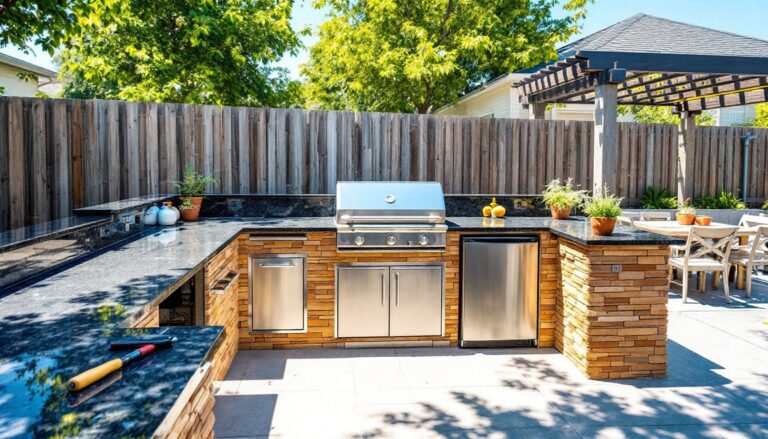
Freestanding vs. built-in is a critical choice. Freestanding units have finished sides and front-venting, so they can stand alone or slide into a space with clearance on the sides. Built-in models are designed to fit flush into cabinetry with front-only venting: they require zero clearance on sides and back but must have open airflow across the front kickplate. Installing a freestanding unit in a tight enclosure will cause overheating and compressor failure. Check the manufacturer’s clearance specs before you build or buy.
Temperature controls should be digital with external displays so you can monitor and adjust without opening the door. Dual-zone units let you run one side as a fridge and the other as a freezer, or set both to fridge temps if you need more cold storage for a big event.
Top Types of Outdoor Refrigerator Freezers for Different Spaces
Choosing the right type depends on your space, use case, and budget.
Beverage centers are compact, single-zone fridges designed for cans and bottles. They usually run 3.0–4.5 cubic feet, with glass doors and interior lighting. Perfect for patios or poolside bars where you’re mostly serving drinks. Not ideal for raw food storage or anything that needs strict temp control below 35°F.
Undercounter refrigerator drawers fit beneath countertops in outdoor kitchens. They’re typically 24 inches wide, front-venting, and ADA-height accessible. Drawers make it easy to access items without bending, and they integrate seamlessly into custom cabinetry. Expect to pay a premium, quality drawer units start around $1,500. Some manufacturers featured on design sourcebooks focused on outdoor kitchens offer premium models with advanced insulation and smart connectivity.
Freestanding combo units are the workhorses: separate fridge and freezer compartments in one cabinet, usually 5.0–6.5 cubic feet total. These can stand alone or slide into an alcove with proper clearance. Ideal for decks, covered patios, or pool houses where you need full food storage. Look for models with independent thermostats for each zone.
Freezer-only units are less common but useful for hunters, anglers, or bulk shoppers who need frozen storage near the grill or smoker. Chest-style outdoor freezers are rare: most are upright with front vents and stainless exteriors.
Portable and mini fridges marketed as “outdoor” are often just weather-resistant, not truly outdoor-rated. They work under a covered porch but will fail if exposed to full sun and rain. Read the specs carefully, if it doesn’t list an operating temp range above 100°F, it’s not a true outdoor unit.
Installation Tips and Best Placement Practices
Installing an outdoor refrigerator freezer is more involved than plugging it in. Here’s how to do it right.
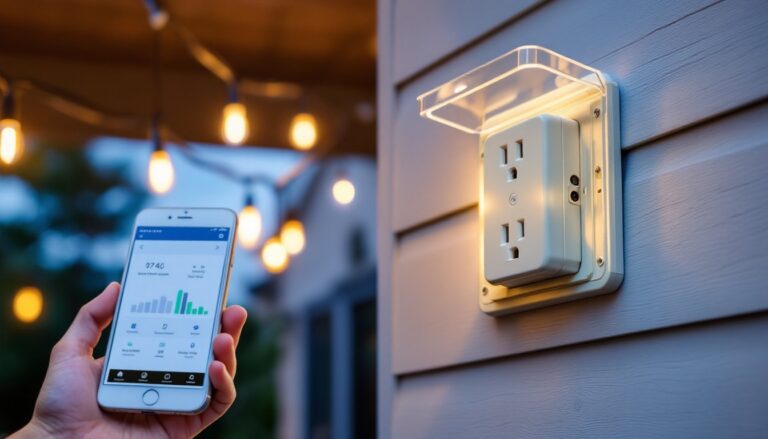
Electrical requirements: Most units run on standard 120V/15A household circuits, but verify the specs. The outlet must be a GFCI-protected exterior-rated receptacle per NEC (National Electrical Code) Article 210.8. If you don’t already have an outdoor outlet in the right location, hire a licensed electrician, this isn’t a DIY job unless you’re comfortable pulling permits and working in your panel. Running an extension cord to an outdoor fridge is unsafe and against code.
Placement considerations: Avoid direct sun if possible. Even outdoor-rated units perform better and use less energy in shade or under a roof. If full sun is unavoidable, consider models with additional insulation or reflective exteriors. Keep the unit away from heat sources like grills, fire pits, or direct exhaust from your HVAC condenser.
Ventilation and clearances: Follow the manufacturer’s specs to the inch. Freestanding models typically need 2–3 inches on sides and back, plus 4–6 inches above for heat dissipation. Built-in units need zero side clearance but require unobstructed front venting, don’t block the kickplate. Poor ventilation causes overheating, shortened compressor life, and voided warranties.
Leveling and drainage: Use a 4-foot level to ensure the unit is perfectly level side-to-side and slightly tilted back (about 1/4 inch) so the door closes on its own and internal drainage works properly. Outdoor fridges have condensation drains: make sure the drain pan or line isn’t blocked and that water can run off without pooling under the unit. Some setups benefit from a small drain line routed carefully to avoid standing water that attracts pests.
Enclosure and cabinetry: If you’re building the unit into an outdoor kitchen island, use pressure-treated framing or marine-grade plywood for the structure. Standard interior-grade materials will rot. Leave access panels for servicing the compressor and electrical connections. Seal any gaps with exterior-grade caulk to keep insects and moisture out, but don’t seal vents.
Safety and permits: In most jurisdictions, adding a new outdoor electrical circuit requires a permit and inspection. Check with your local building department before starting work. If you’re installing the unit as part of a larger outdoor kitchen or structure, additional permits (building, plumbing, gas) may apply.
PPE for installation: Wear work gloves when handling sheet metal edges and stainless panels, safety glasses if you’re cutting or drilling cabinetry, and knee pads if you’re working at ground level for extended periods.
Conclusion
An outdoor refrigerator freezer is one of those upgrades that immediately proves its worth, once you have one, you’ll wonder how you managed without it. Focus on weather-resistant construction, proper ventilation, and realistic capacity for your needs. Don’t cheap out on installation: a correctly wired, well-ventilated unit will run reliably for years, while a poorly installed one becomes an expensive headache. Take the time to measure, plan, and follow code, and you’ll have cold drinks and frozen steaks ready whenever the grill is.