Table of Contents
ToggleInstalling a refrigerator in your outdoor kitchen isn’t just a convenience upgrade, it’s a game-changer for anyone who takes their backyard entertaining seriously. No more trekking back and forth to the house for condiments, drinks, or marinated chicken. But before you start shopping, understand that outdoor refrigerators aren’t just indoor models with a new paint job. They’re built to handle UV exposure, temperature swings, humidity, and everything else Mother Nature throws their way. Choosing the wrong unit means premature failure, voided warranties, and money down the drain.
Key Takeaways
- An outdoor kitchen fridge must feature marine-grade stainless steel (304 or 316 grade), UV-resistant gaskets, and weatherproof components to withstand temperature swings, UV exposure, and humidity that void standard indoor refrigerator warranties.
- Choose between compact beverage coolers, undercounter units, full-size models, or drawer-style refrigerators based on your entertaining needs, with built-in models offering professional aesthetics and freestanding options providing flexibility and cost savings.
- Proper installation requires GFCI-protected electrical outlets, adequate ventilation clearances (2–4 inches for freestanding models), correct leveling, and professional setup to prevent 90% of early failures and warranty issues.
- Regular maintenance—cleaning condenser coils quarterly, inspecting door seals, checking drainage lines, and monitoring interior temperature—extends your outdoor fridge’s lifespan and prevents costly compressor failure.
- An outdoor kitchen fridge eliminates indoor trips during entertaining, streamlines meal prep and beverage access, and transforms your outdoor space into a functional year-round entertaining hub, making it essential infrastructure rather than a luxury upgrade.
Why Your Outdoor Kitchen Needs a Dedicated Refrigerator
Standard indoor refrigerators aren’t rated for exterior conditions. Manufacturers typically void the warranty the moment you install one outdoors. The compressor, seals, and electronics aren’t designed to endure temperature fluctuations from 20°F to 110°F, direct sunlight degrading plastic components, or coastal salt air corroding metal parts.
A true outdoor-rated refrigerator features marine-grade stainless steel (usually 304 or 316 grade), UV-resistant gaskets, and weatherproof control panels. The compressor and cooling system are engineered to handle extreme ambient temperatures, many outdoor models operate reliably in environments up to 100°F or higher, whereas indoor units start struggling above 85°F.
Beyond durability, there’s the workflow benefit. Keeping beverages, fresh produce, butter, cheese, and prepped ingredients at arm’s reach streamlines cooking and serving. If you’re grilling for a crowd, eliminating indoor trips saves time and keeps you engaged with your guests. And for homes with outdoor entertaining spaces, a dedicated fridge becomes essential infrastructure, not a luxury.
Types of Outdoor Kitchen Refrigerators
Outdoor refrigerators fall into several categories based on size, features, and installation method. Here’s the breakdown:
Compact beverage coolers (1.5–3.0 cubic feet) are ideal for drinks only. They fit under counters or in tight spaces, typically hold 60–100 cans, and run on standard 120V circuits. Best for poolside bars or smaller patios.
Undercounter refrigerators (3.0–6.0 cubic feet) offer shelf storage for food and drinks. These are the workhorses of most outdoor kitchens, providing enough capacity for meal prep without dominating the layout. Expect stainless steel construction, front-venting systems, and adjustable shelving.
Full-size outdoor refrigerators (10+ cubic feet) replicate indoor functionality outdoors. These units are pricier and require more counter space, but they’re worth it for serious entertainers or homes where the outdoor kitchen functions as a second primary cooking area.
Drawer-style refrigerators slide out like filing cabinets, offering ergonomic access and a sleek look. They work well in islands or under grills. Many high-end models feature dual zones, letting you refrigerate produce in one drawer and freeze ice packs in another.
Built-In vs. Freestanding Models
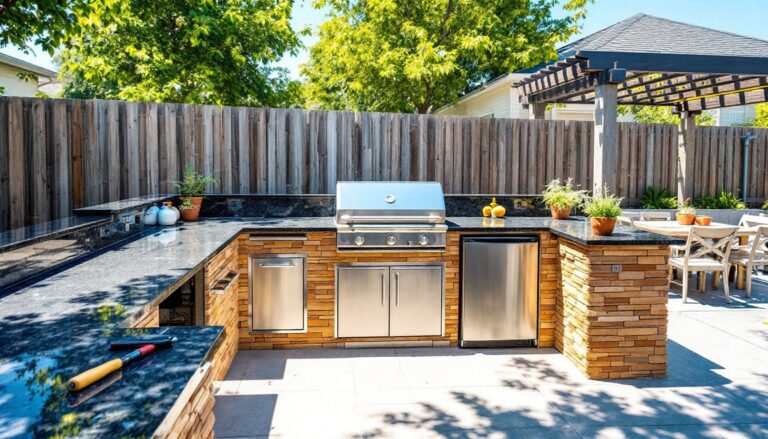
Built-in refrigerators are designed to nestle into cabinetry or outdoor kitchen islands. They feature front ventilation, which exhausts heat through the grille rather than the sides or back. This allows zero-clearance installation, meaning you can box them in without overheating the compressor. The trade-off? Built-ins are more expensive and require precise cutout dimensions. If your island framing is off by even half an inch, you’ll need to modify the structure.
Freestanding models vent from the rear or sides and need clearance space (usually 2–4 inches) on three sides for airflow. They’re more flexible for placement and easier to move if you reconfigure your outdoor layout. But, they don’t integrate as cleanly into custom cabinetry and can look like an afterthought if not properly planned. If you’re building a complete outdoor living setup, built-in units deliver a more cohesive, professional appearance.
Choose built-in if you’re constructing a permanent, high-end outdoor kitchen. Go freestanding if you want flexibility, lower cost, or you’re renting and might take the fridge with you.
Key Features to Look for in an Outdoor Fridge
Not all outdoor refrigerators are created equal. Focus on these features to avoid buyer’s remorse:
Material grade: Look for 304 stainless steel at minimum. It resists rust and corrosion in most climates. If you’re near the ocean, upgrade to 316-grade stainless, which contains molybdenum for superior salt-air resistance. Avoid powder-coated or painted finishes, they chip and peel within a year outdoors.
Temperature range: The fridge should maintain 32–40°F even when the ambient temperature hits 100°F or more. Check the manufacturer’s rated operating range. If it’s vague or not listed, move on.
Weatherproof seals and gaskets: Magnetic door seals should be reinforced with UV-resistant materials. Cheap gaskets crack and lose their seal within two seasons, letting moisture infiltrate and compromising insulation.
Locking doors: A surprising number of outdoor fridges don’t include locks. If your patio is accessible to kids, guests, or the neighborhood raccoon population, a lockable door is worth the extra cost.
Adjustable shelving: Wire or glass shelves that slide or remove make it easier to store tall bottles, platters, or awkwardly shaped items. Some appliance manufacturers, tested by Good Housekeeping experts, highlight models with modular interiors as top performers for versatility.
LED lighting: Interior lighting is standard on quality units. LEDs are efficient and generate minimal heat. Avoid models with incandescent bulbs, they burn out quickly and add unnecessary heat load.
Energy efficiency: While outdoor fridges aren’t required to carry Energy Star ratings (most don’t qualify due to operating conditions), compare amp draw and annual kWh usage. Lower is better for your electric bill and generator capacity if you’re off-grid.
Drainage and defrost: Automatic defrost is a must. Manual defrost in an outdoor unit means you’re climbing behind cabinets with a hairdryer every few months. Check that the condensate drain line is easy to route and doesn’t clog with debris.
Installation Considerations for Your Outdoor Refrigerator
Outdoor fridge installation isn’t a plug-and-play operation. Skipping these steps causes 90% of early failures.
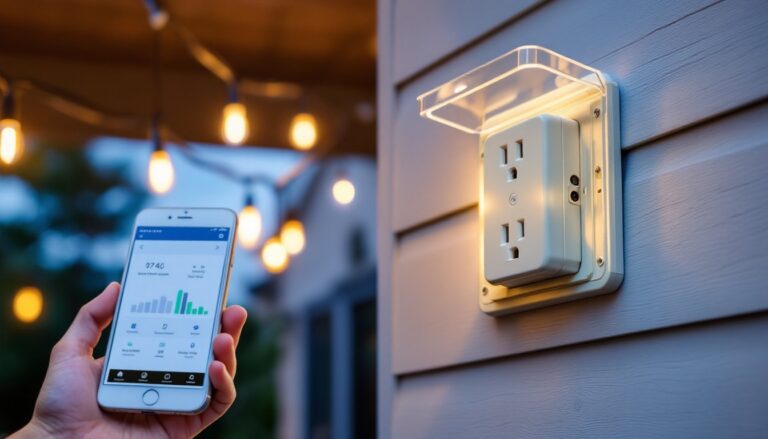
Electrical requirements: Most outdoor refrigerators run on standard 120V, 15A circuits, but verify the specs. The outlet must be a GFCI-protected receptacle per National Electrical Code (NEC) Article 210.8, which mandates GFCI protection for outdoor receptacles. If your patio doesn’t have a weatherproof outlet within six feet of the fridge location, hire a licensed electrician to install one. Don’t use extension cords, they’re a fire hazard and void most warranties.
Ventilation clearances: Built-ins need exact cutout dimensions. Manufacturers provide spec sheets with required height, width, depth, and front grille clearance. Freestanding models need 2–4 inches on the sides and back. Blocking airflow kills compressors fast.
Drainage: If your fridge has an automatic defrost cycle, it produces condensate. Route the drain line to a floor drain, landscaping area, or collection bucket. Don’t let it pool under the unit, it’ll corrode the base and attract pests.
Leveling: Use a torpedo level on top of the fridge and adjust the feet until it’s perfectly level side-to-side and front-to-back. An unlevel fridge works harder, runs louder, and wears out sooner. Most units have adjustable legs: turn them with a wrench until the bubble centers.
Cabinetry and countertop support: Outdoor cabinets should be constructed from marine-grade plywood or polymer materials, not particleboard. Standard indoor cabinets disintegrate outdoors. The countertop (granite, concrete, or tile) should overhang the fridge opening slightly for weather protection but not block ventilation.
Permits: In most jurisdictions, adding a new electrical circuit for an outdoor appliance requires a permit and inspection. Check with your local building department. Skipping permits can complicate home sales and insurance claims.
Top Maintenance Tips to Extend Your Outdoor Fridge’s Lifespan
Outdoor refrigerators demand more maintenance than their indoor cousins. Budget 30 minutes every few months for these tasks:
Clean the condenser coils every three months. Dust, pollen, and cobwebs accumulate on the coils (usually located on the back or underneath), forcing the compressor to work harder. Unplug the unit, remove the access panel, and vacuum the coils with a brush attachment. For stubborn buildup, use a condenser coil brush (available at any hardware store).
Inspect door seals quarterly. Wipe them down with mild soap and water, then check for cracks or gaps. Close a dollar bill in the door, if it pulls out easily, the seal is failing. Replace gaskets before they fail completely: a compromised seal can double your energy usage.
Check drainage lines twice a year. Pour a cup of water mixed with a tablespoon of bleach down the drain line to clear clogs and kill mold. If water backs up, use a pipe cleaner or compressed air to clear the blockage.
Cover it during winter if you live where temperatures drop below freezing. Most outdoor fridges aren’t designed for sub-zero operation. Unplug the unit, empty and clean it, prop the door open slightly to prevent mildew, and cover it with a breathable, waterproof cover. Don’t use plastic tarps, they trap moisture and promote rust.
Polish stainless steel surfaces with a dedicated stainless cleaner and microfiber cloth. Wipe in the direction of the grain. This removes water spots, fingerprints, and surface oxidation. For the same attention to detail you’d give your portable grill setup, treat your fridge as a long-term investment.
Monitor interior temperature with a standalone fridge thermometer. If it drifts above 40°F consistently, the unit may need servicing. Catching problems early prevents total compressor failure.
Conclusion
Choosing the right outdoor kitchen refrigerator comes down to matching the unit’s build quality and features to your climate, usage patterns, and installation constraints. Don’t cheap out on materials or skip proper installation steps, the upfront investment in a true outdoor-rated model and professional-grade setup pays off in years of reliable service. With the right fridge in place, your outdoor kitchen transforms from a seasonal novelty into a year-round hub for cooking, entertaining, and living well outside.