Table of Contents
ToggleBuilding an outdoor kitchen transforms a backyard into a functional cooking and entertaining hub. But choosing the right equipment requires more than browsing glossy catalogs, you need gear that can handle temperature swings, moisture, and UV exposure while delivering the performance you’d expect indoors. The wrong choices lead to rust, warped surfaces, and expensive replacements. This guide covers the essential equipment categories, from grills to storage, with practical details on materials, dimensions, and installation considerations that actually matter when you’re standing in your yard with a tape measure.
Key Takeaways
- Stainless steel construction (304-grade minimum, or 316-grade for coastal areas) is essential for outdoor kitchen equipment to resist corrosion and weather damage.
- Outdoor-rated refrigerators require dedicated 120V GFCI-protected circuits and front ventilation clearance, as standard indoor models fail quickly in exterior conditions.
- Choose countertop materials wisely—granite and quartzite require annual sealing, concrete needs proper reinforcement and a 4-inch minimum footing, while tile should use large-format porcelain tiles to minimize grout maintenance.
- Proper plumbing installation includes drainage slopes of 1/4 inch per foot, P-traps, and burial below the frost line; cold climates demand shutoff valves and drain-down capability before winter.
- Marine-grade polymer cabinets (HDPE construction) and stainless steel storage outlast wood and particle-board alternatives, while propane tank compartments require ventilation louvers to prevent explosion hazards.
- Grills and burners need specific clearances—main cooking surfaces 36 inches from overheads, side burners at least 12 inches from the grill, and propane tanks positioned 3 feet from ignition sources per IRC code.
Essential Cooking Appliances for Your Outdoor Kitchen
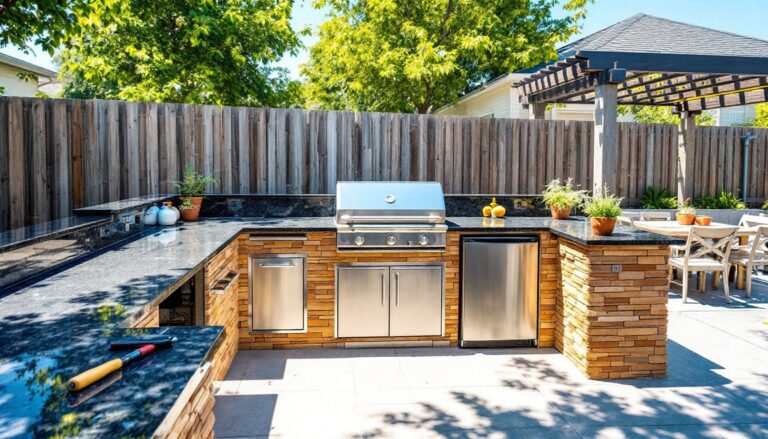
The cooking appliances anchor your outdoor kitchen’s functionality. Most homeowners center their layout around a primary grill, but serious outdoor cooks often add supplementary heat sources.
Grills and Smokers
Built-in grills range from 30 to 54 inches wide and require cutout dimensions that match manufacturer specs exactly, measure twice before cutting into your countertop. Stainless steel construction (304 grade minimum) resists corrosion in humid climates, while 316-grade marine steel offers superior protection near coastal areas. BTU ratings matter less than burner design: look for even heat distribution across the cooking surface rather than chasing high numbers.
Gas lines for natural gas grills require a licensed plumber and often need permits. Check local codes before roughing in connections. Propane models offer flexibility but need secure tank storage away from heat sources, the IRC (International Residential Code) requires a minimum clearance of 3 feet from ignition sources.
Kamado-style ceramic grills and pellet smokers add versatility for low-and-slow cooking. These typically sit on reinforced carts rather than built-in islands since they need occasional movement for cleaning and ash removal. A portable BBQ option works well as a secondary cooking station.
Side burners (typically 12,000-15,000 BTUs) handle sauces and sides. Install them at least 12 inches from the main grill to avoid heat interference. Cast brass burners outlast stainless in the long run, though they cost more upfront.
Safety note: Always install a fire extinguisher rated for grease fires (Class K) within 10 feet of cooking appliances. Keep a clear zone of at least 36 inches above the grill, no cabinets, pergola beams, or overhangs in the flame path.
Refrigeration and Food Storage Solutions
Standard indoor refrigerators fail quickly outdoors. Temperature fluctuations, humidity, and dust infiltration kill compressors not designed for exterior use.
Outdoor-rated refrigerators feature weatherproof seals, rust-resistant components, and compressors rated for ambient temperatures up to 100°F. Undercounter models (typically 24 inches wide) fit standard base cabinet openings but need front ventilation, don’t box them in with zero clearance or you’ll overheat the compressor.
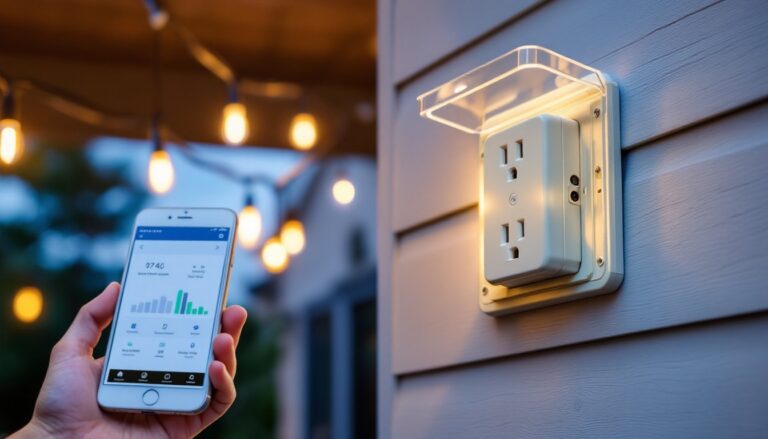
Refrigerators draw between 3 and 6 amps on a dedicated 120V circuit. Run a GFCI-protected outlet on its own breaker, the NEC (National Electrical Code) requires GFCI protection for all outdoor receptacles. Bury electrical lines in conduit at least 18 inches deep (consult local codes for specific depth requirements).
Insulated ice chests built into cabinetry offer a no-power alternative. Marine-grade models with thick-wall insulation keep ice for 3-5 days. Include a drain line with a shutoff valve to route meltwater away from your island base.
Some outdoor cooks invest in outdoor freezers for bulk storage, but they pull significant power and work best on covered patios where direct sun won’t overwork the compressor. Experts at Good Housekeeping test appliances under real-world conditions and often note that outdoor appliances need annual maintenance to clear vent coils and check seals.
For wine enthusiasts, outdoor beverage coolers maintain consistent temps for bottles and cans. Dual-zone models (around $800-$1,500) separate beer temps from wine storage. Ensure the unit is rated IP44 or higher for water resistance if you’re in a rainy climate.
Prep and Work Surfaces That Withstand the Elements
Countertop material determines how your outdoor kitchen holds up over time. Skip the cheap stuff, this is not the place for budget laminate.
Granite and quartzite handle heat and weather but require annual sealing to prevent staining. Typical thickness is 3 cm (about 1-3/16 inches). Overhangs for seating should extend 10-12 inches and need corbel or steel bracket support every 24 inches.
Concrete countertops offer custom shapes and integrated features like drainboards or built-in cutting boards. They need proper reinforcement (rebar or wire mesh) and a penetrating sealer reapplied every 1-2 years. Concrete cracks if the base settles, so pour a proper footing, 4 inches minimum thickness on compacted gravel.
Tile surfaces work for budget builds but grout lines collect grime and need regular sealing. Use large-format porcelain tiles (12×24 inches or larger) to minimize grout joints. If you’re planning an outdoor party setup, tile surfaces provide plenty of color options to match your entertaining aesthetic.
Stainless steel worktables withstand abuse and clean easily but show scratches and water spots. They work best as secondary prep zones rather than primary counters. Look for 16-gauge or thicker steel with marine-grade (316) stainless near saltwater.
Height matters: standard counter height is 36 inches, but 42-inch bar height creates better sightlines for cooks facing guests. Allow at least 30 inches of clear landing space on each side of the grill for platters and tools.
Cutting boards should be removable for cleaning, built-in wood sections trap moisture and rot. Invest in several HDPE (high-density polyethylene) boards that tuck into a nearby drawer.
Sinks, Plumbing, and Water Access Essentials
Adding a sink changes an outdoor grill station into a true kitchen, but it introduces plumbing complexity and potential freeze damage in cold climates.
Sink sizing starts at 15 inches for basic hand-washing, but 20-24 inch single-bowl sinks handle larger pots and cleanup. Undermount installation looks cleaner than drop-in but requires solid substrate (concrete or granite) rather than tile.
Materials matter: stainless steel (18-gauge minimum) resists dents, while stone composite sinks avoid the metallic look some homeowners dislike. Skip porcelain, chips happen outdoors and expose the base material to rust.
Faucets need a brass or stainless valve body, plastic components degrade under UV. Pull-down sprayers add functionality but need adequate clearance if you’re installing under a pergola. A separate hose bib with a vacuum breaker (required by code) handles heavy-duty washdown without tying up the main faucet.
Drainage runs must slope 1/4 inch per foot minimum. Use schedule 40 PVC buried below the frost line (check local frost depth, it ranges from zero in the South to 48+ inches in northern states). Install a P-trap at the sink and cleanouts every 50 feet of horizontal run.
Cold climates need shutoff valves inside the house and drain-down capability. Some builders install air compressor fittings to blow out lines before winter. Alternatively, run a recirculating system with a small holding tank, no connection to the main water supply, just a 5-gallon reservoir you manually fill.
Hot water on demand? An under-counter tankless water heater (electric models draw 20-30 amps and need 240V service) provides instant heat for cleanup. They’re overkill for occasional use but convenient for daily outdoor cooking.
A common setup for those expanding <a href="https://mcdermottgalleries.com/outdoor-home-living/”>outdoor living spaces includes both hot and cold taps, making cleanup after large meals far easier.
Storage Cabinets and Organizational Equipment
Outdoor cabinetry takes a beating. Don’t use repurposed indoor cabinets, the particle board core swells and delaminates within a season.
Marine-grade polymer cabinets (HDPE construction) handle weather without rotting, warping, or requiring paint. They’re heavy and expensive but outlast everything else. Hinges and drawer slides should be stainless steel with sealed bearings.
Stainless steel cabinets provide the commercial-kitchen look and withstand hose spray. Go for 304-grade minimum: 316-grade near the coast. Welded construction beats riveted, check the seams before buying. They dent easier than polymer but clean quickly.
Powder-coated aluminum frames with marine-grade polymer doors and drawer fronts offer a cost compromise. The frames stay lightweight (easier for DIY installation), while the polymer panels resist fading and impact.
Skip wood unless you’re committed to annual maintenance. Even “outdoor-rated” teak or cedar cabinets need oil or sealant every year, and exposed end grain soaks up water. If you insist on wood, use only marine-grade plywood with waterproof glue and build in ventilation gaps to prevent moisture trapping.
Drawer organization matters as much as the cabinet box. Stainless utensil dividers, tool racks for tongs and spatulas, and pull-out trash bins keep essentials accessible. Deep drawers (10-12 inches) handle bulky items like grill covers and charcoal bags.
Door panels should include louvers or vent cutouts for propane tank storage. The IRC requires ventilation in propane storage compartments, solid doors trap gas and create explosion hazards. Install tanks upright with the valve accessible and at least 10 feet from any ignition source.
Locking mechanisms on outdoor cabinets deter pests and secure expensive gear. Some homeowners learn this the hard way after raccoons figure out the magnetic catches.
Those interested in broader outdoor entertaining ideas often build extensive storage for serving platters, linens, and seasonal decor alongside the cooking equipment.
Shelter your cabinetry under a roof structure when possible. Even weatherproof materials last longer with overhead protection. If you’re building a freestanding island, a pergola with a polycarbonate roof panel directly over the cooking zone extends equipment life.
Conclusion
Selecting outdoor kitchen equipment comes down to matching materials and features to your climate, cooking style, and budget. Prioritize weather-resistant construction, proper utility hookups, and adequate workspace before adding extras. Start with the core appliances and infrastructure, you can always add a pizza oven or kegerator later once the bones are solid.